Trimarans
REVOLUTIONARY DAY BOATS
by

TrimaransREVOLUTIONARY DAY BOATS | by |
|
|
 |
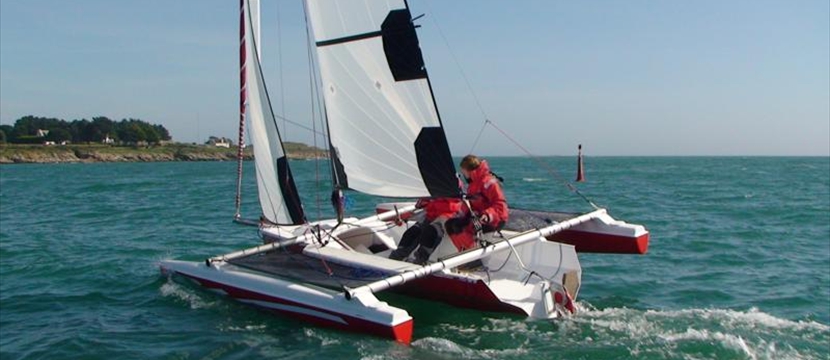
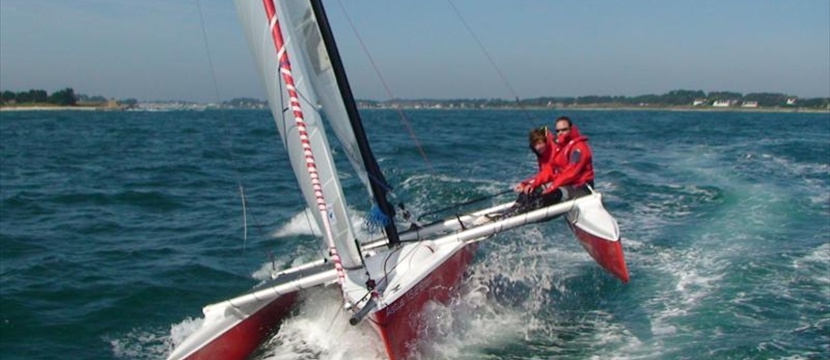
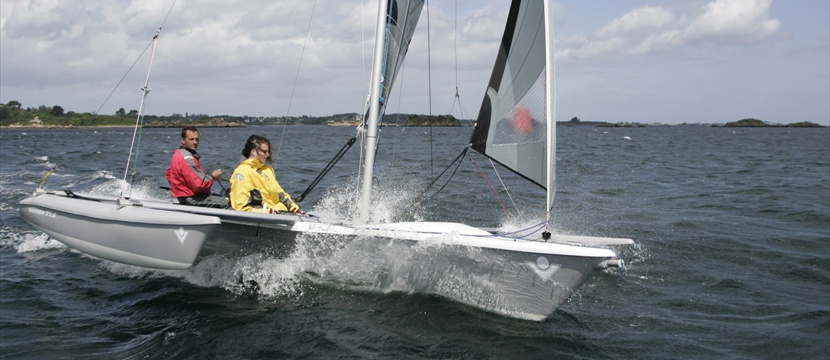
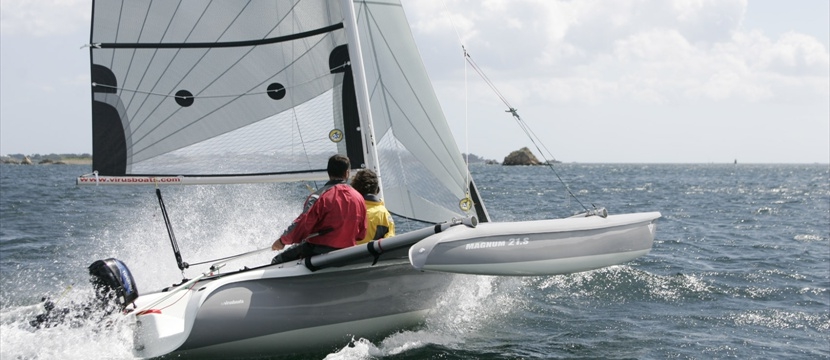
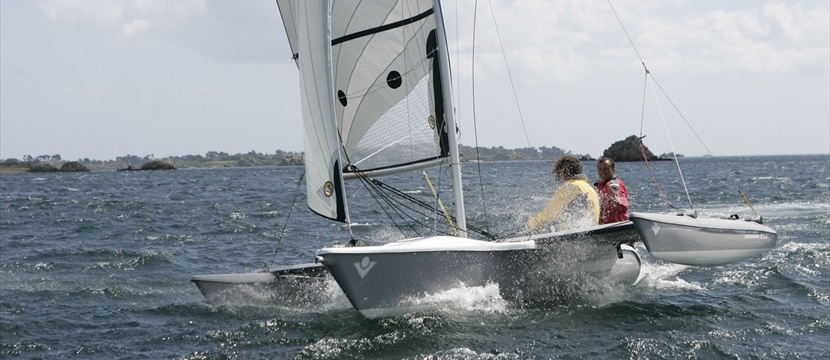
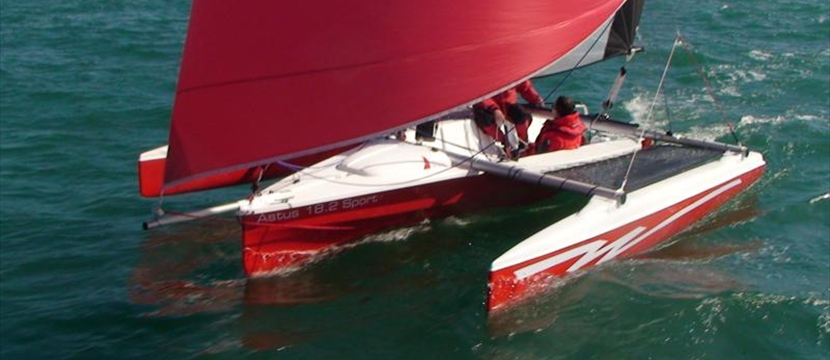
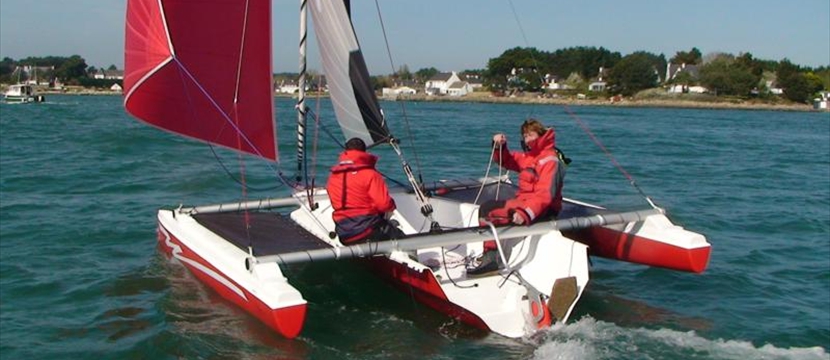
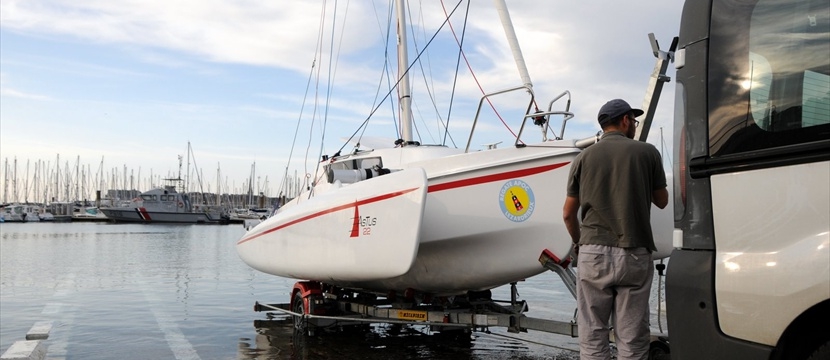
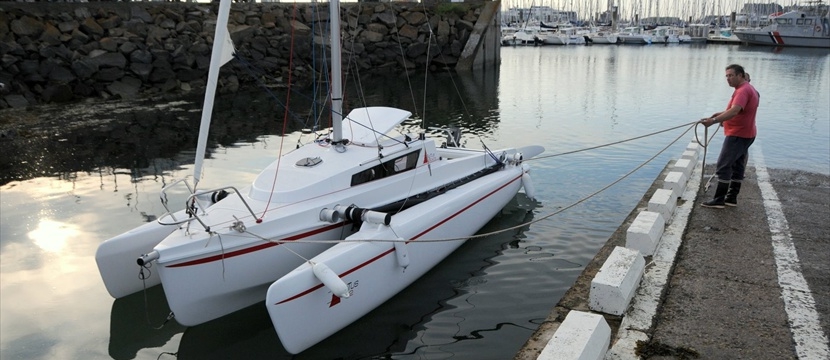
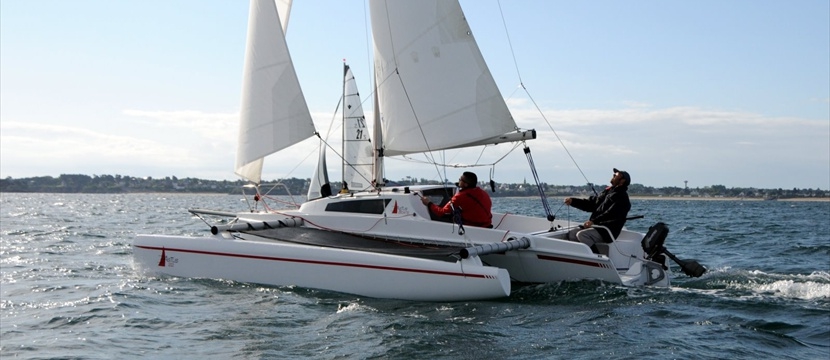
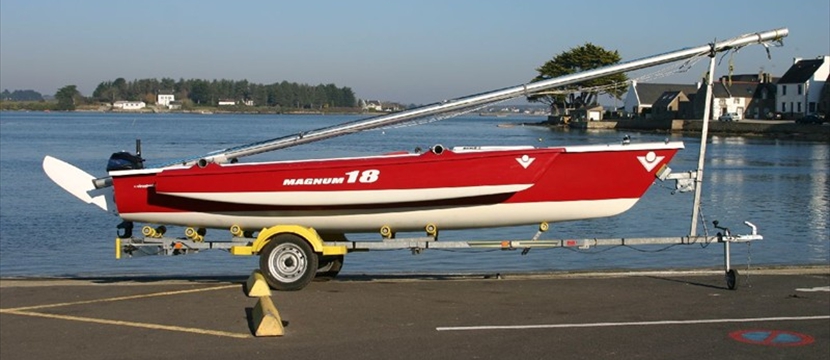
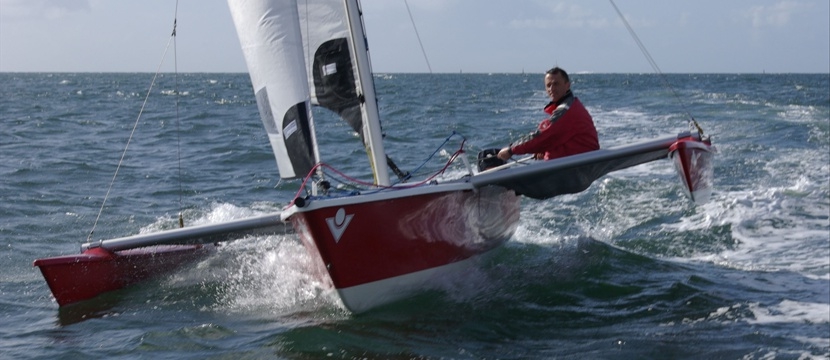
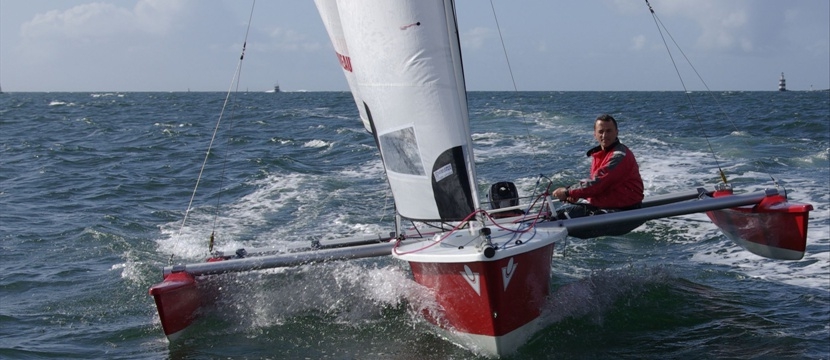
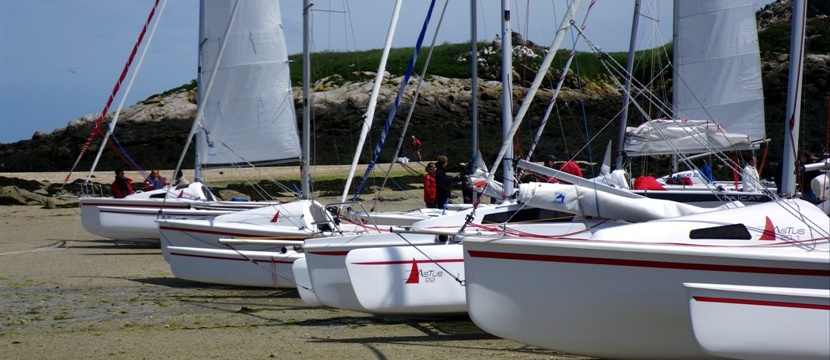
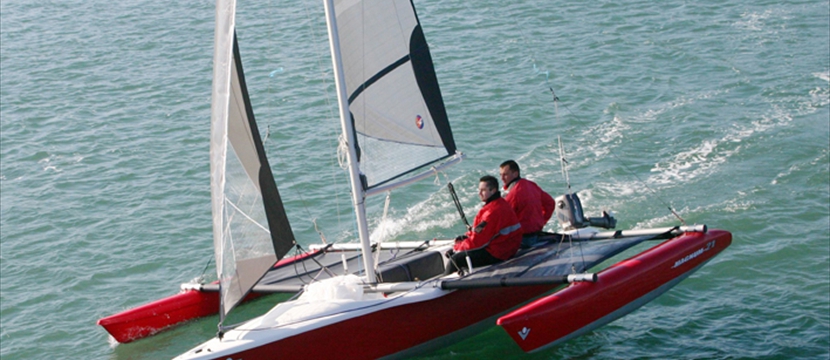
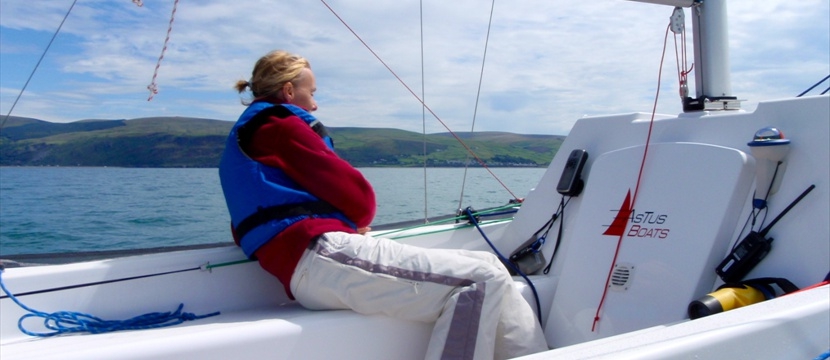
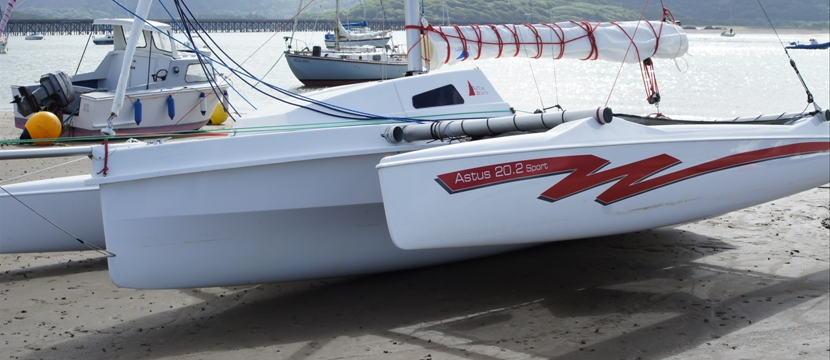
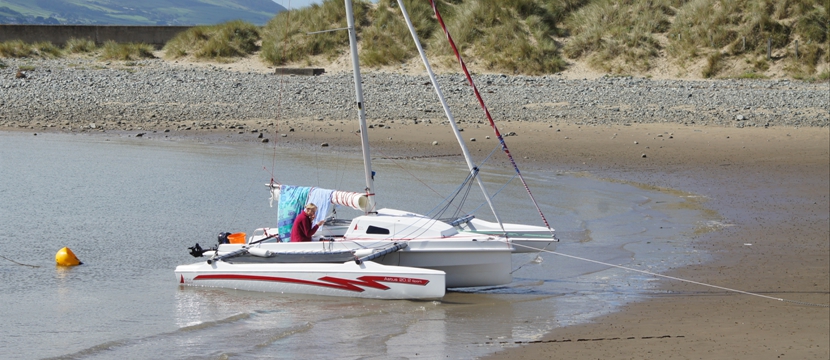
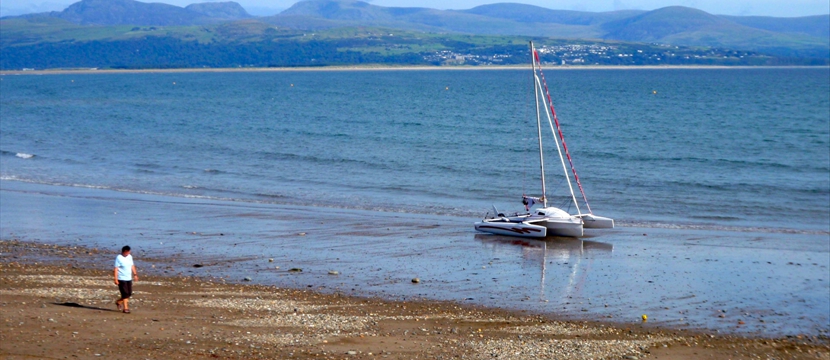
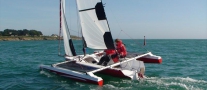
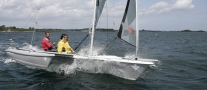
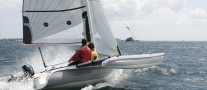
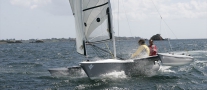
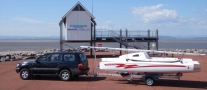
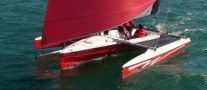
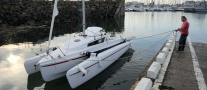
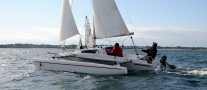
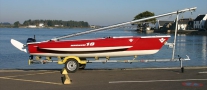
MultihullsMULTIHULLS HAVE REVOLUTIONISED DAY BOATSThe traditional day boat has been superceded. With its dead weight of ballast, be it water ballast or concrete or a keel or even two keels, holding it down in the water and with its short, fat, single, displacement hull it is inevitably slow and uncomfortable and also difficult to launch, recover and trail behind your car.But now you can enjoy the exhilaration of sailing trimaran day boats of between 16ft and 24ft. Explore the coastline and offshore islands secure in the knowledge that it is safe for your family and friends to share your adventures. Not enough wind today? Use your engine to pootle up river. These boat are for all occasions. |
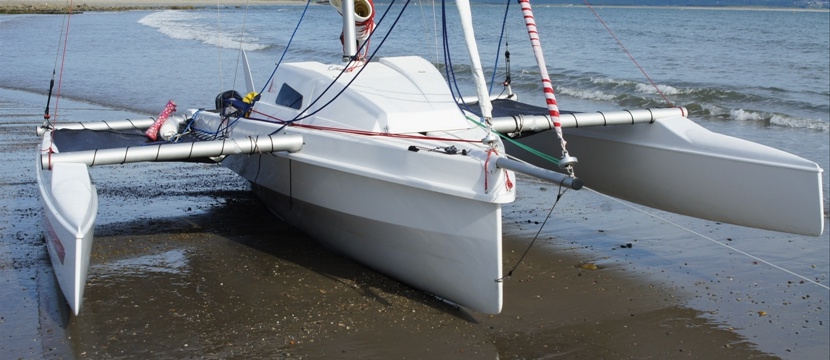
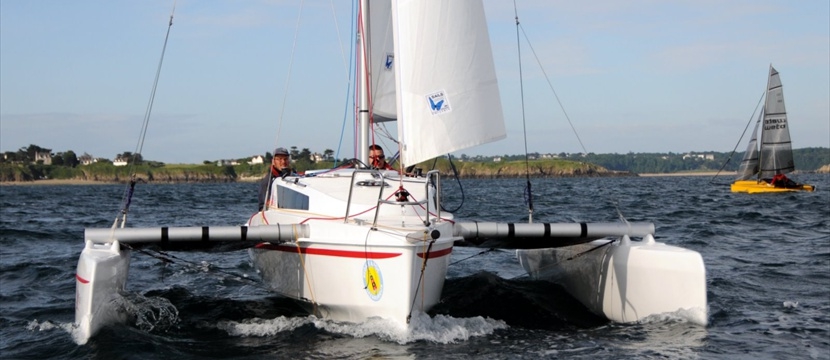
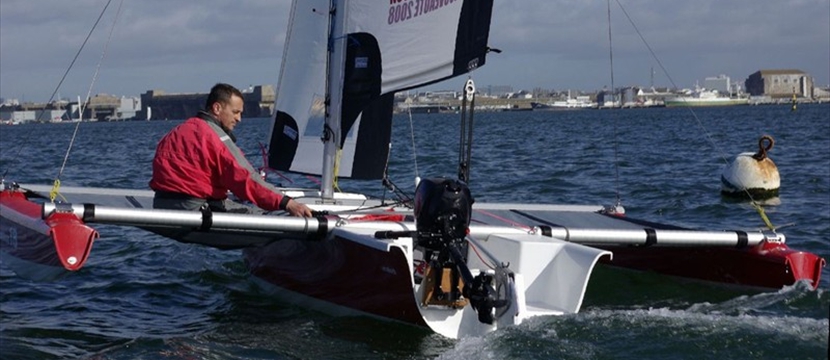
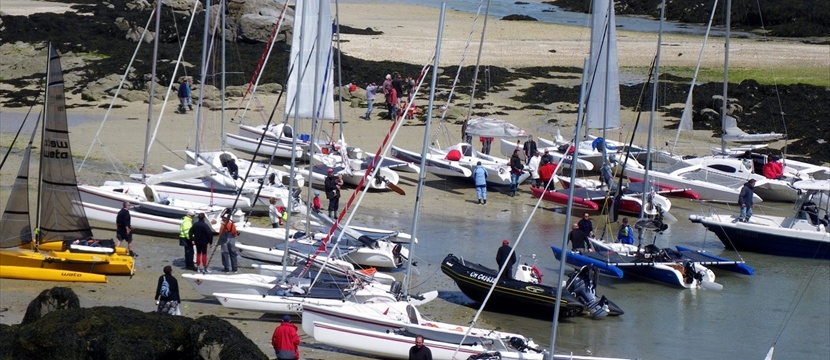
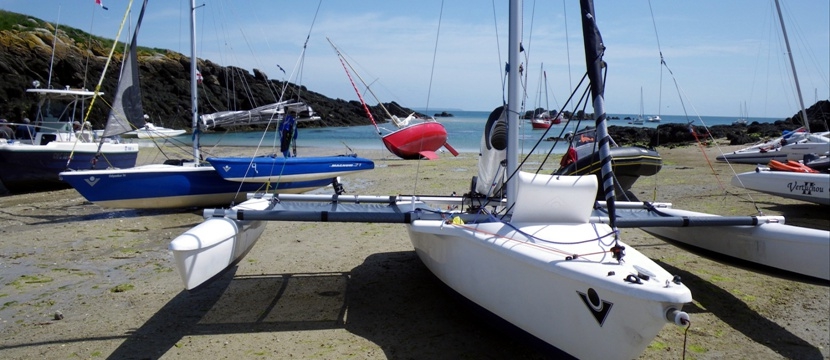
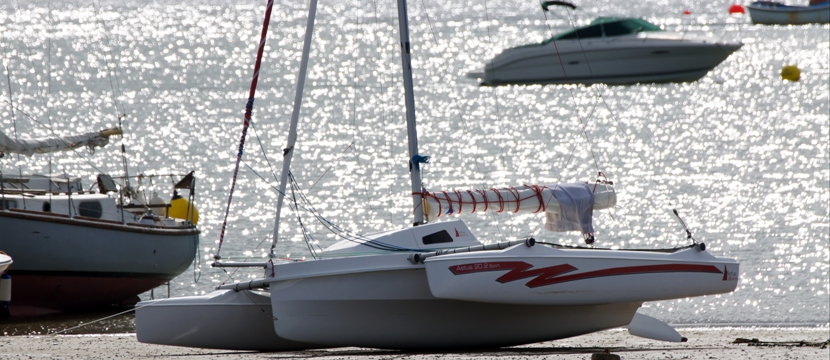
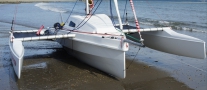
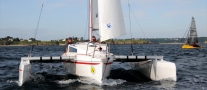
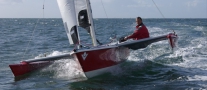
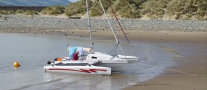
WHY MULITHULLS?With a multihull you rely on the width of the boat, be it a catamaran or a trimaran, and the buoyancy of the outer hulls to keep the boat upright in the wind. The outrigged floats (amas) of a trimaran act like a child's bike's stabiliser wheels. This means that the boat is much lighter and the hulls are much narrower and sharper and more efficient so speeds are easily double that of the classic day boat. This means you can travel further in a day! You can visit places further afield in your normal cruising ground. And it makes harbour hopping much easier, especially if each harbour has a bar! This is partly because of the speed and partly because of the shallow draft of multihulls, so you are much less likely to hit the bottom. And, of course, multihull day boats are more comfortable than monohull dayboats. |
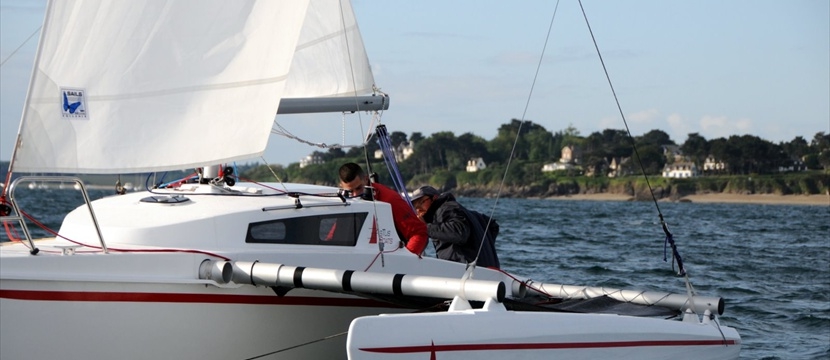
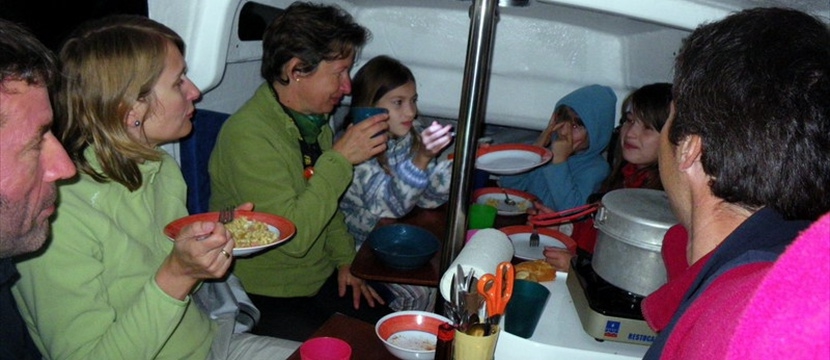
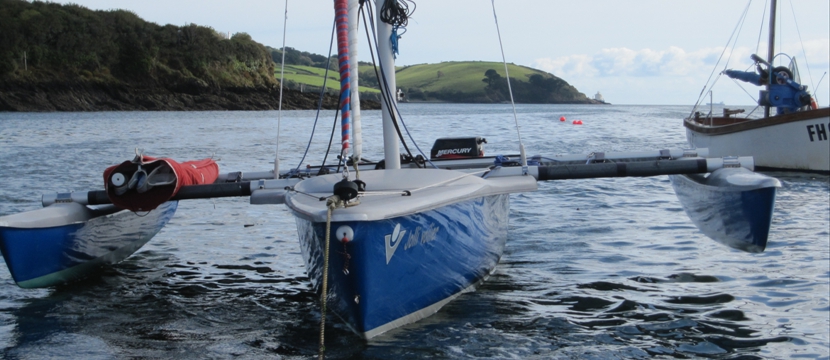
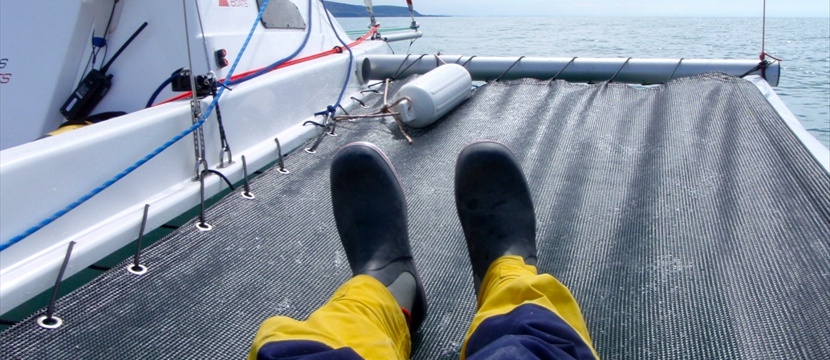
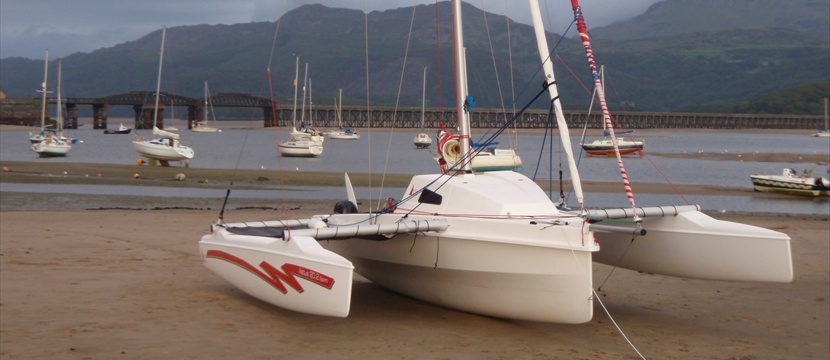
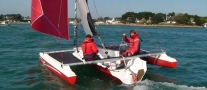
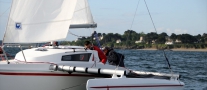
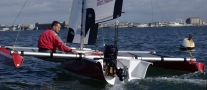
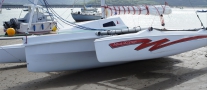
TrimaransWHY TRIMARANS?At the size of the day boat, typically 18, 20 or 22ft it is only with the trimaran that one can combine the speed of the multihull with the comfort and space necessary for day sailing. There is room for storage lockers or modest cabins, enough for a weekend or even a whole holiday!Once we get up above 10m the catamaran provides more comfort and space but these are not day boats, rather cruising cats. Small beach catamarans tend to involve a lot of scrambling about on your hands and knees. And booms tend to be low down to reduce the likelihood of a capsize and keep the sail area to a maximum. In a trimaran you can sit down comfortably and the boom will still be well clear of your head. In addition trimarans with centreboards possess greater agility, are easier to tack and they point better upwind than catamarans. |
|










| Why Trimarans are so FAST | Rowing Boats | Trimaran Blog | Contact us |